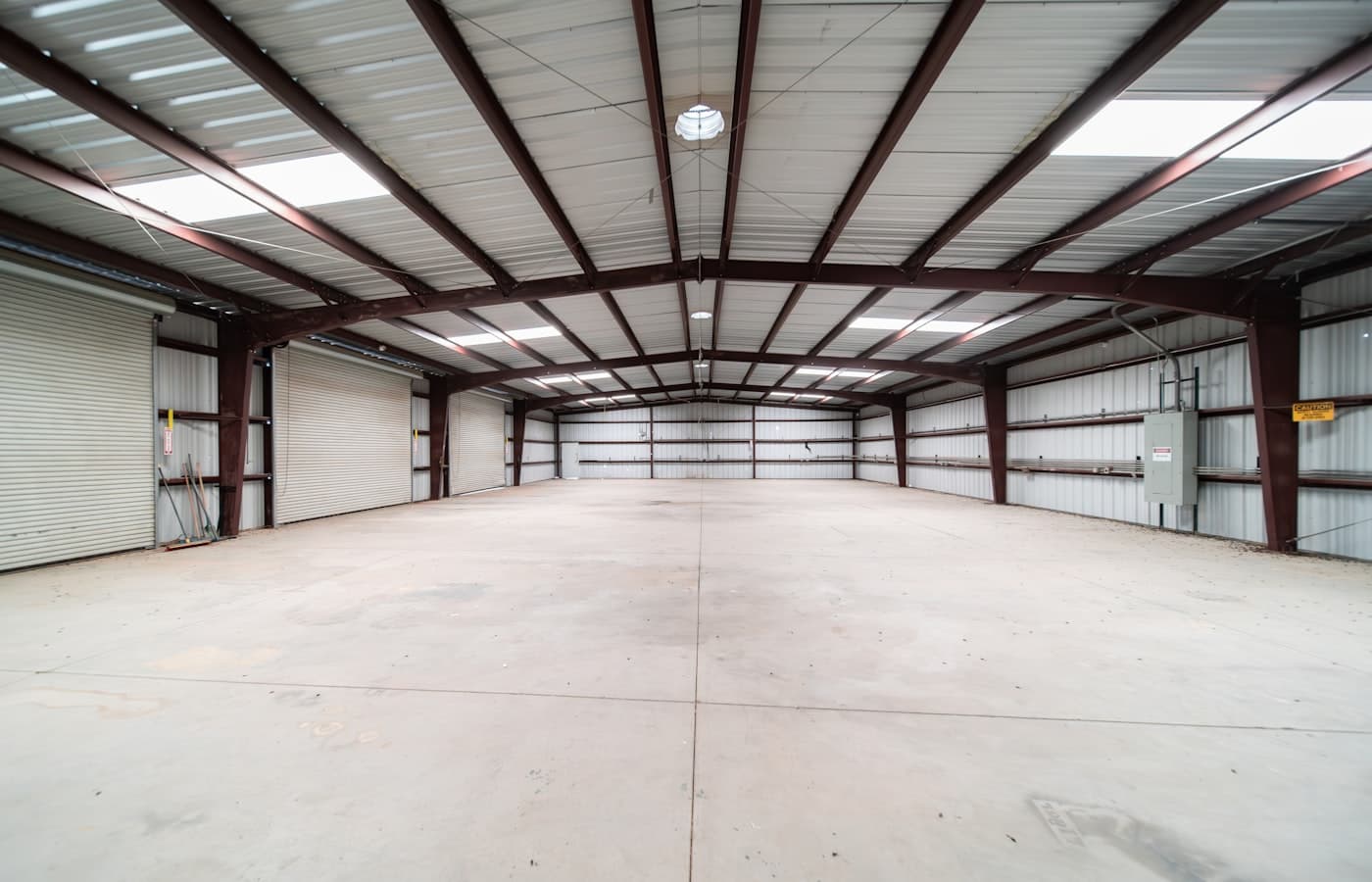
A warehouse closure moves on a different clock than an office decommission. Racking has to come down in a specific order to stay structurally safe, forklifts and material handling equipment often need certified transport, and bulk inventory needs a disposition plan before anyone touches a pallet.
Start with a racking survey. Pallet racking and mezzanine systems are usually engineered for a specific load and configuration. A liquidation partner should document the system before disassembly, both for safe teardown and because matched racking systems resell for meaningfully more than mismatched components.
Inventory liquidation runs parallel to the physical teardown, not after it. Overstock and discontinued inventory should go to appraisal in the first week of a project, since wholesale buyers move faster on fresher listings.
Equipment with resale value, forklifts, conveyor sections, packaging machinery, should be appraised by someone who knows that specific equipment market. General liquidators often undervalue industrial equipment simply because it's outside their usual inventory.
Plan the loading dock schedule like a logistics problem, because it is one. Racking teardown, inventory pallet-outs, and equipment removal all compete for the same dock and the same window. A written day-by-day schedule prevents the most common warehouse liquidation delay: three trucks showing up for one dock door.
Plan your next project
List racking, fixtures and equipment alongside loading access and your handover deadline. Explore our Warehouse and commercial liquidation or request a project quote.

Ready to scope your project?
Send us your square footage and timeline. We'll return an itemized estimate within a business day.